Alicante Essentials · Vol. II – A journey into the past through Alicante’s historic places
Historic corners to discover the city with fresh eyes
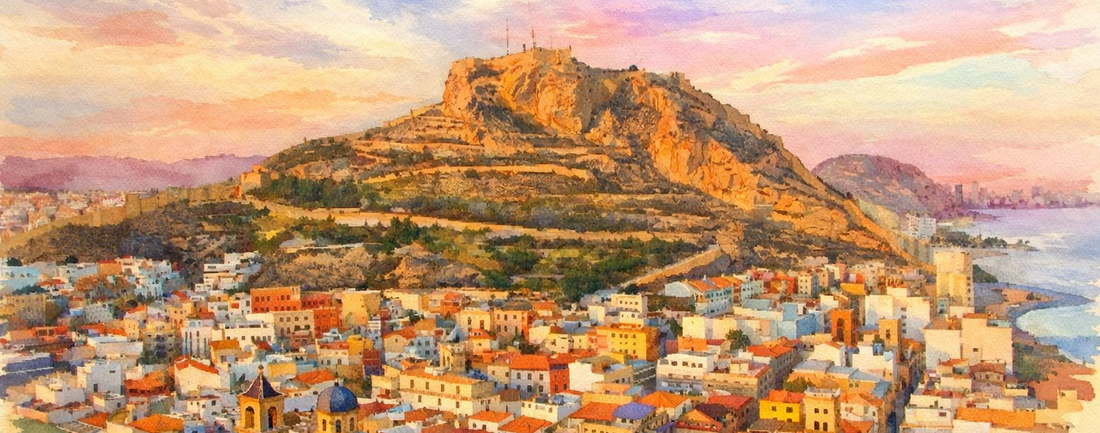
Alicante is not only experienced looking outward, toward the sea. It is also discovered by looking back, walking slowly through its history. In this second journey through the city’s must-sees, we invite you to lose yourself in its oldest corners, where every street holds memories, every stone has a story, and legends are still part of everyday life.
Discovering the historic places of Alicante is a different way to get to know the city: walking slowly, observing carefully, and allowing the past to reveal itself little by little. An ideal plan for those who enjoy travelling without rush, with curiosity and that special feeling of walking through centuries of history.
The Santa Cruz neighborhood: where it all began
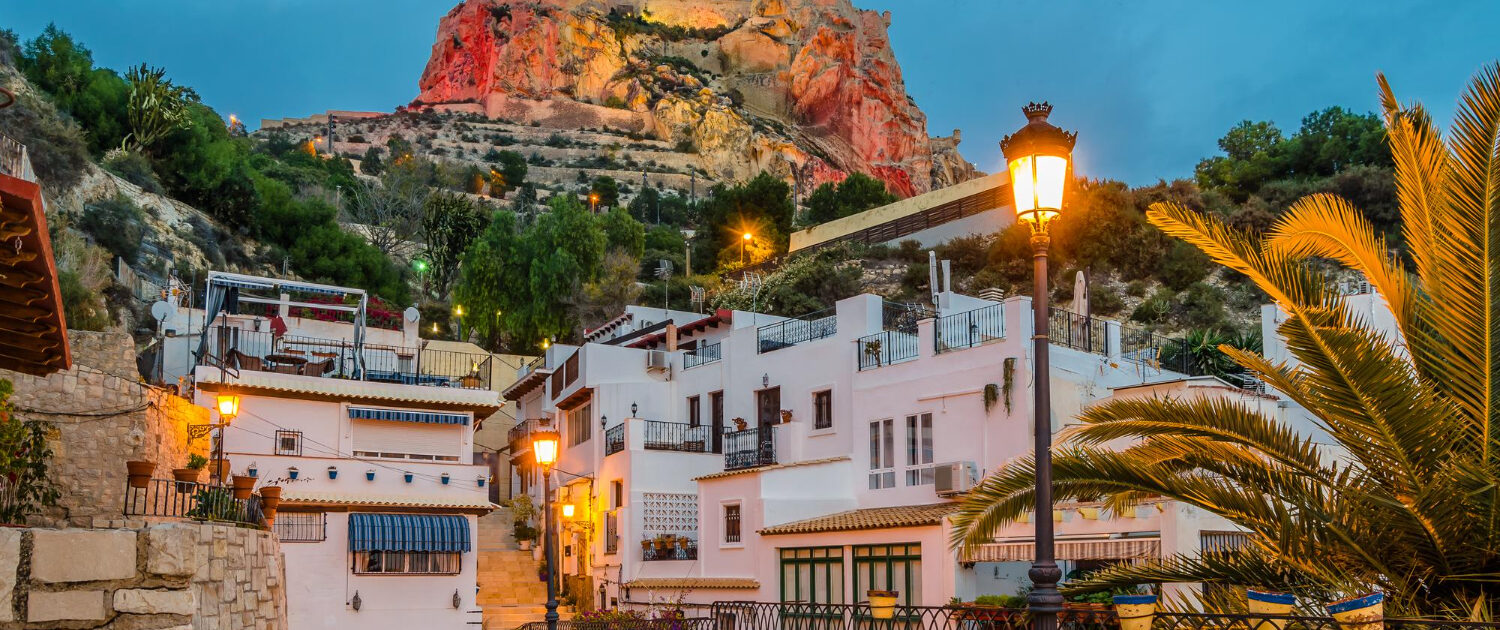
At the foot of Santa Bárbara Castle, the Santa Cruz neighborhood is one of those places where Alicante shows its most authentic side. Low houses, white façades, colorful flowerpots, and narrow streets that naturally slow you down.
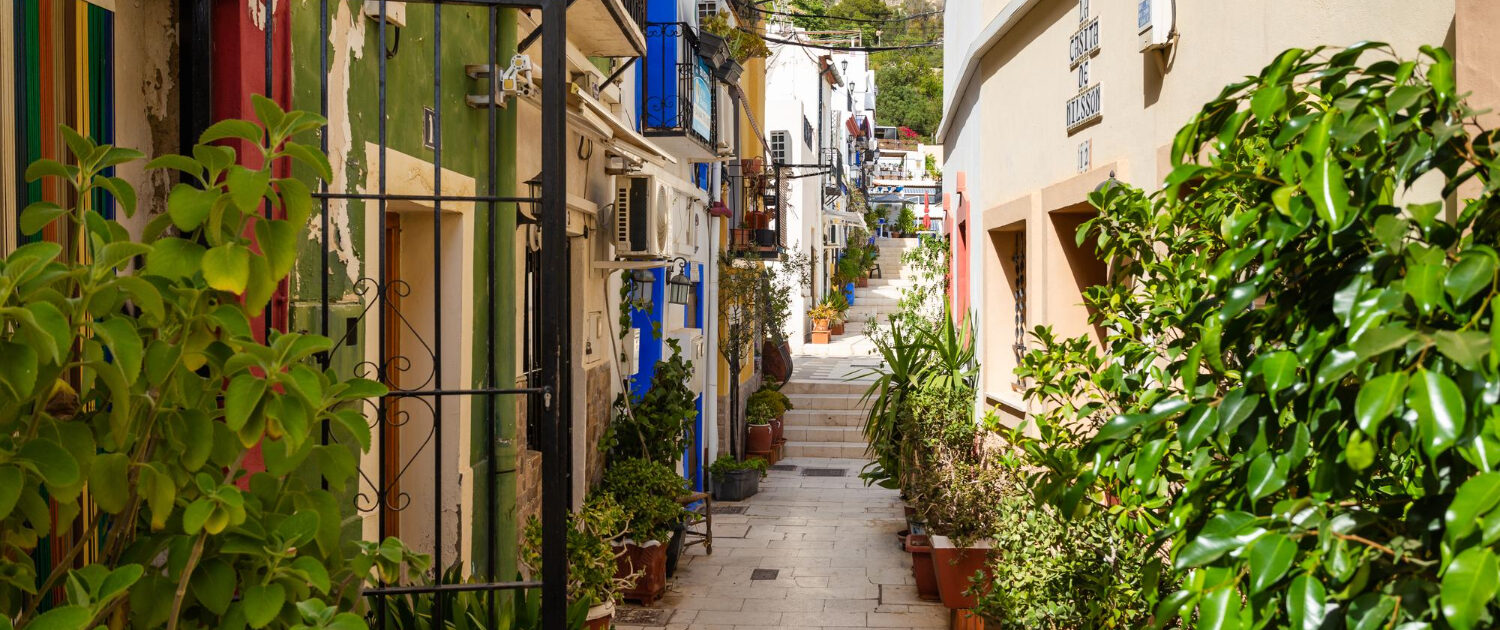
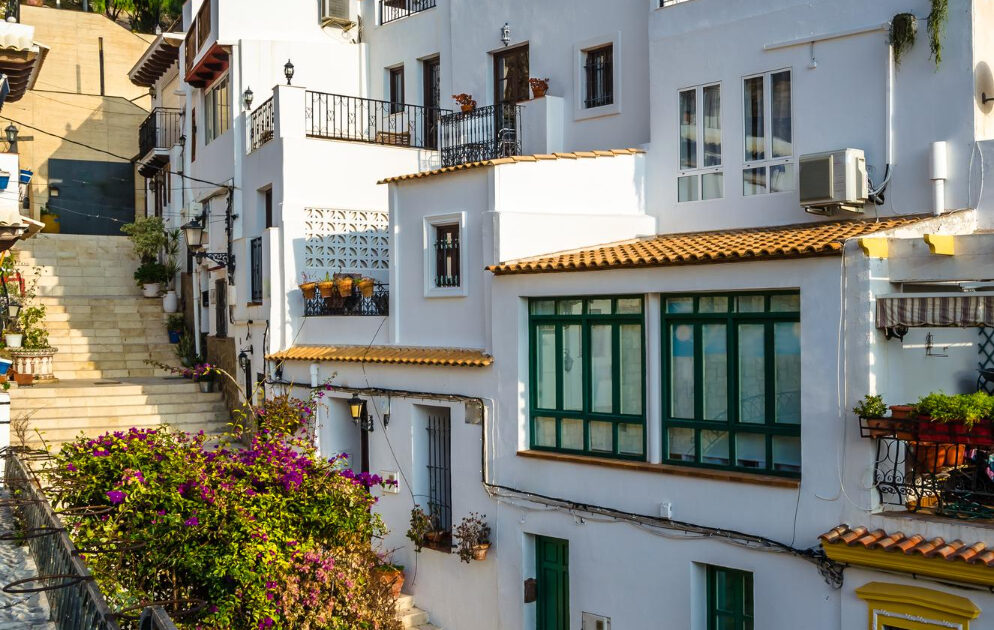
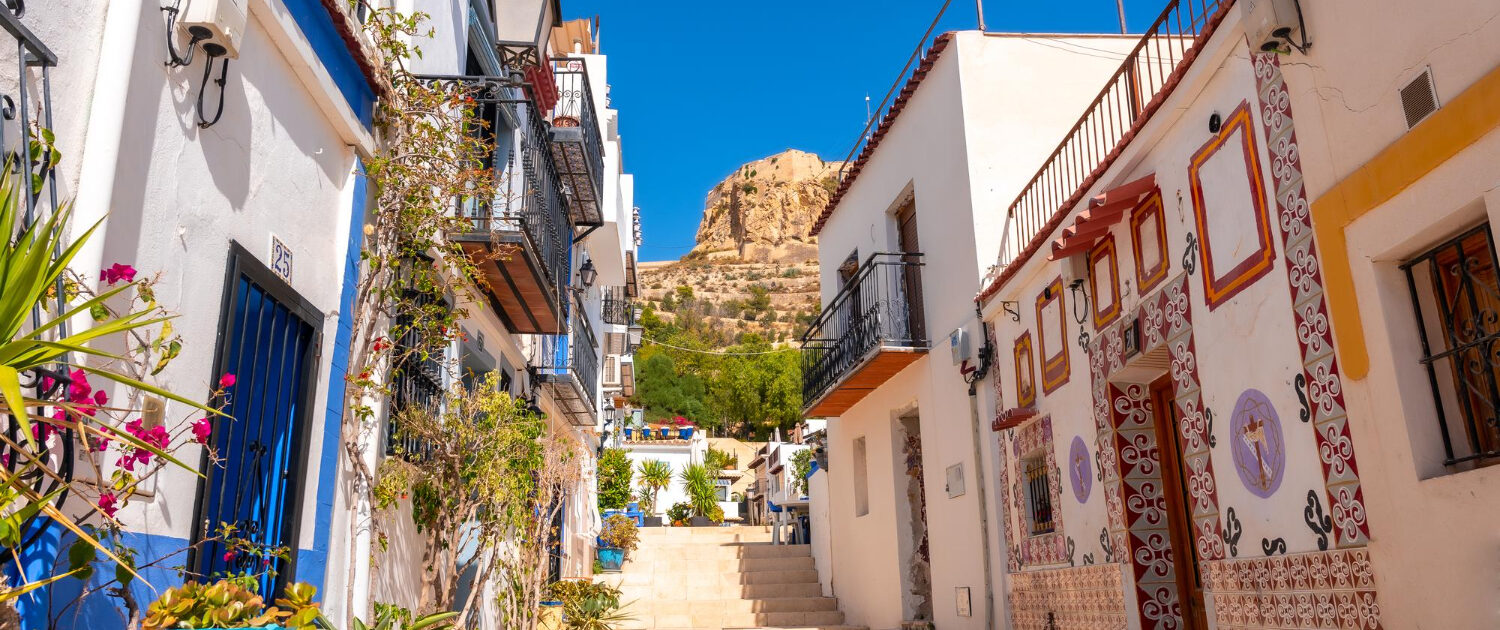
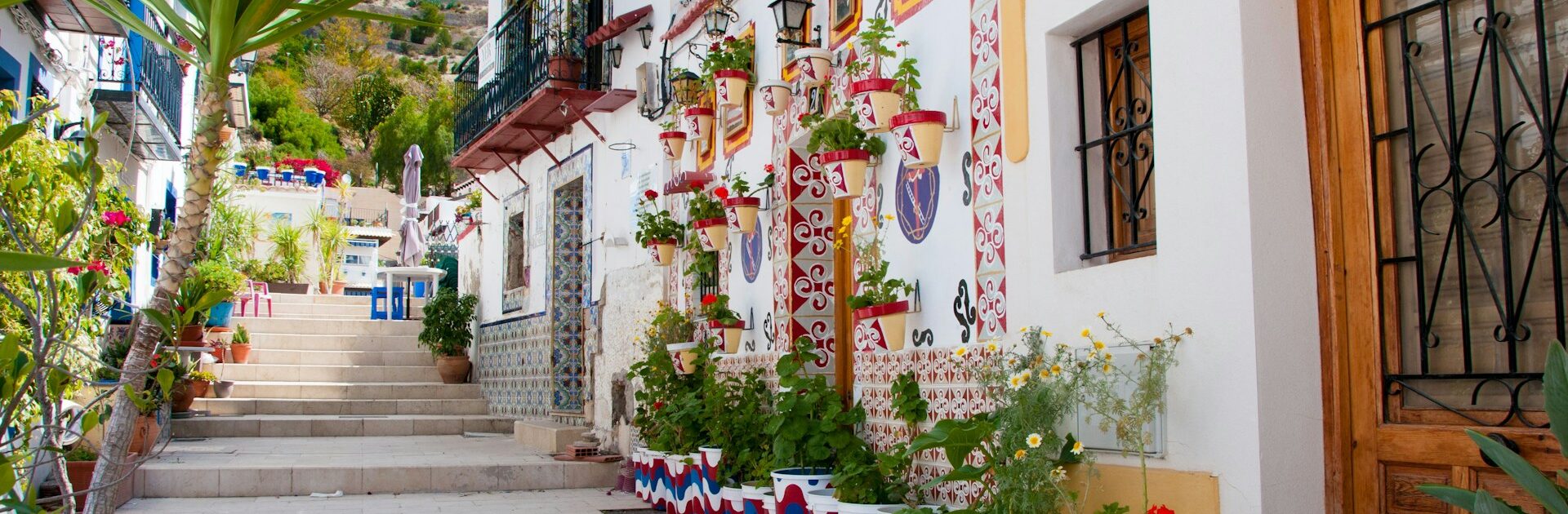
This is where the medieval city was born, and its irregular layout—shaped during the Arab period—can still be felt today, when streets were designed to protect from sun and wind. In fact, many of today’s stairways follow exactly the same paths they did centuries ago.
Wandering uphill without a plan, letting yourself be guided by slopes and improvised viewpoints, is part of the charm. From above, the views over the port and the historic center remind you why this enclave was strategically important for so long.
Manlia tip: visit early in the morning or at sunset. The light transforms the neighborhood and the experience becomes much more intimate.
San Nicolás: the historic heart that brings order to the city
Just a few minutes from the Santa Cruz neighborhood, the Co-Cathedral of San Nicolás marks another key moment in Alicante’s history. Its sober exterior contrasts with a serene, luminous interior where time seems to pass differently.
Built on the remains of an ancient mosque, San Nicolás symbolizes the transition from the medieval city to a more structured Alicante, where religious, social, and commercial life began to organize itself around clear axes and plazas.
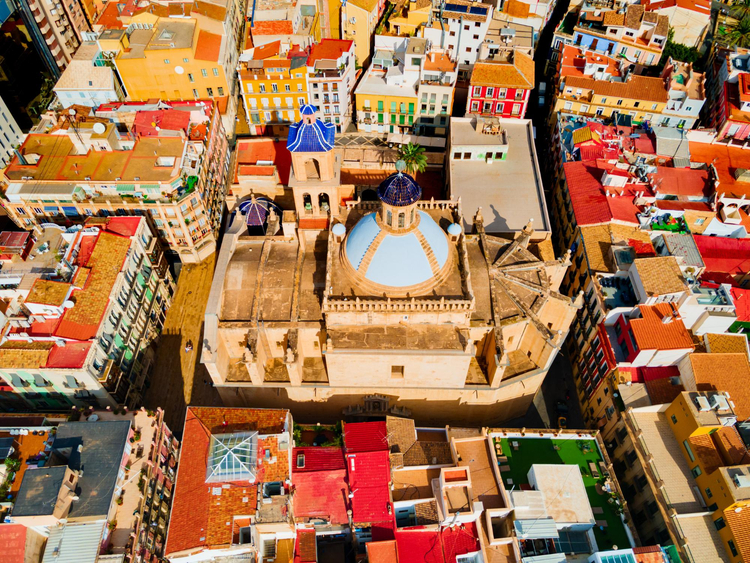
Around it unfolds the true heart of the old town: narrow streets that suddenly open into small squares, historic shops, and buildings that have adapted to the present without losing their character. It’s an ideal area to wander aimlessly, step into a bookshop, sit on a terrace, or simply watch the city continue to pulse around its history.
Invisible walls and remnants of defensive Alicante
Although many are no longer visible at first glance, the ancient walls are still present in the city’s structure. For centuries, Alicante was a key fortified stronghold in the Mediterranean, and its modern growth was literally built upon those defenses.
In some areas of the historic center, sections integrated into buildings, subtle changes in elevation that reveal old walls, or archaeological remains visible behind glass can still be found. Walking through the area around Parque de la Ereta or toward the castle helps you understand how the city was organized facing the sea… and protecting itself from it at the same time.
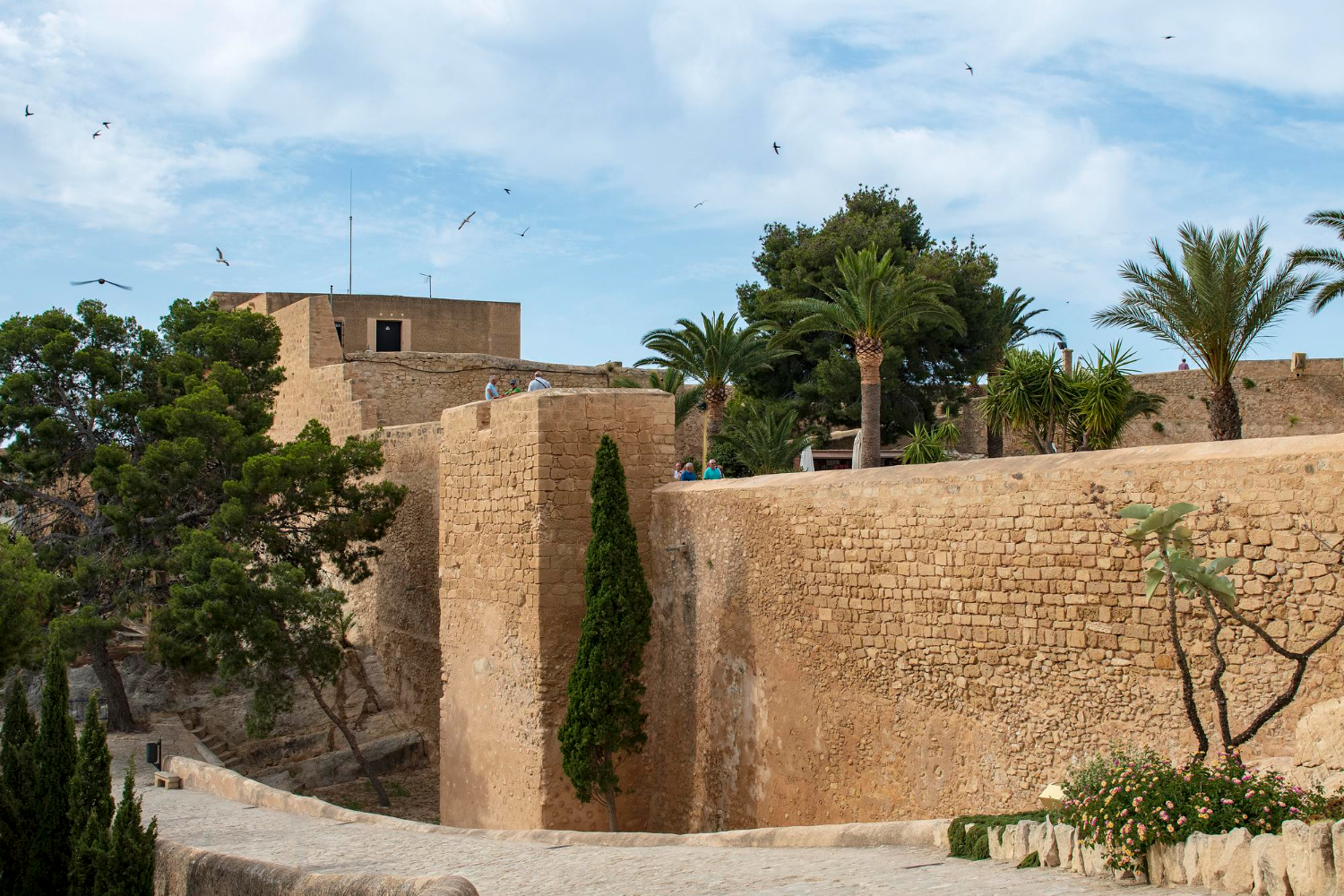
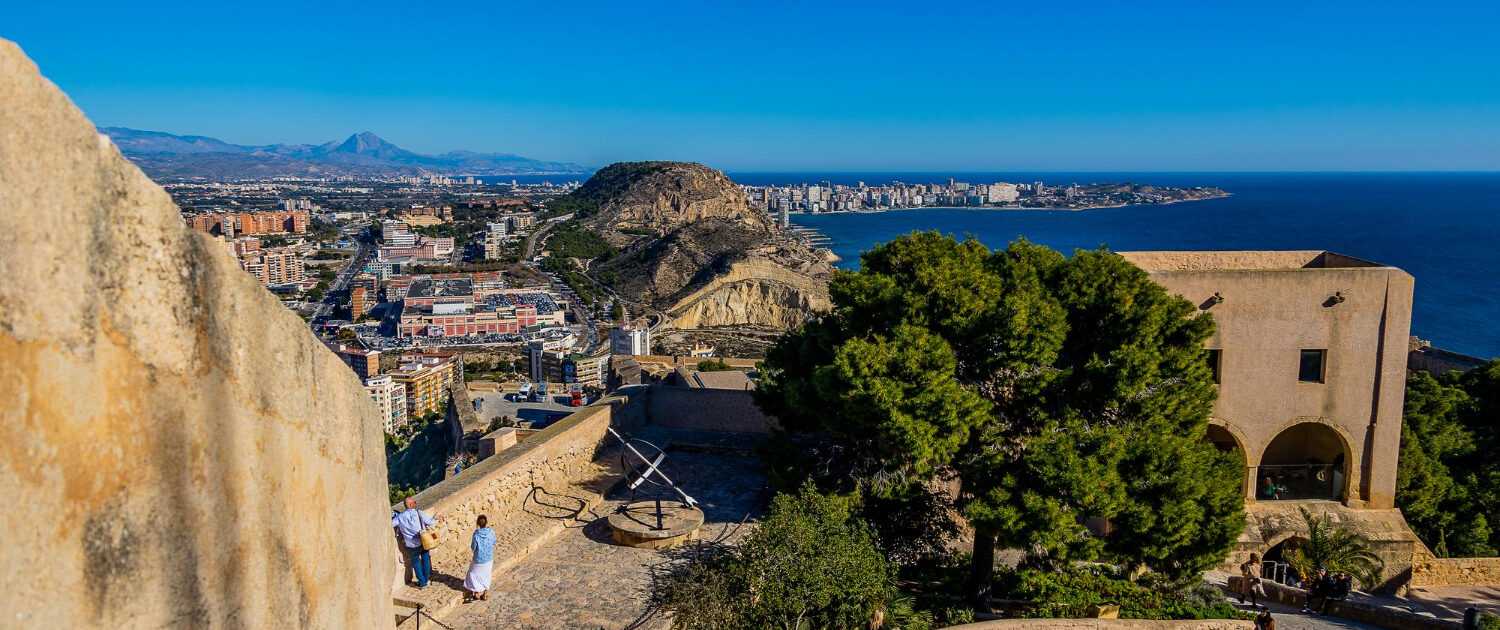
Walking through this area means understanding the city from a more strategic perspective, almost as if time were folding in on itself. It’s one of those walks where the past doesn’t appear openly, but can be sensed at every turn.
Legends still whispered
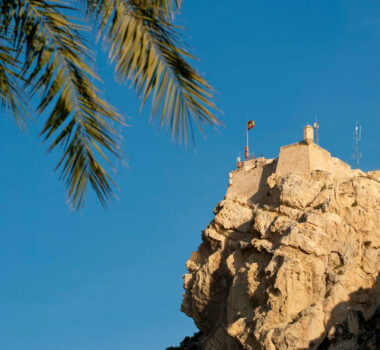
Alicante is also told through its unwritten stories. The most famous is that of the Moor’s Face, the silhouette etched into the rock of Santa Bárbara Castle. According to legend, it represents the profile of a Muslim noble marked by an impossible love story, and for generations it has served as a point of reference for those watching the castle at sunset.
Beyond this legend, the old town is full of stories linked to ancient convents, tunnels, shelters, and stately homes. They are not always signposted, but they form part of the local imagination and continue to be passed down by word of mouth.
Listening to these stories—or simply walking knowing they exist—completely changes the way you look at the city.
The Central Market: living history
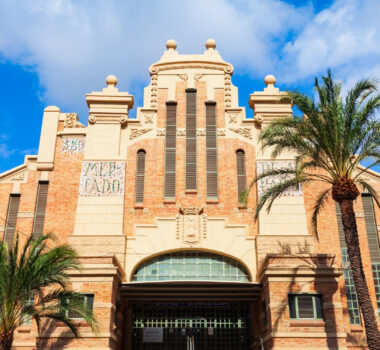
Although today it is a lively, everyday space, the Central Market is also part of the city’s historic heritage. Its modernist building, inaugurated at the beginning of the 20th century, witnessed key moments and remains an essential meeting point.
Beyond shopping, it’s worth pausing to appreciate its architecture, the iron and ceramic details, and the way the past continues to coexist with everyday life in Alicante.
Manlia Tips
- Start early or finish late. The old town changes completely depending on the time of day. Early mornings and sunsets are quieter, with ideal light for unhurried walks.
- Walk without a fixed route. In neighborhoods like Santa Cruz or around the castle, getting lost is part of the experience. Let the streets guide you and make time to stop.
- Comfortable shoes and a curious eye. There are slopes, steps, and uneven ground. Being comfortable allows you to enjoy the details: façades, old doors, unexpected viewpoints.
- Combine history and local life. Alternate historic walks with a coffee in a small square or a visit to the Central Market. The past makes more sense when it lives alongside the present.
Alicante, a city revealed on foot
This journey into the past requires no complex maps or strict schedules. Just a willingness to walk, to observe closely, and to be surprised. Alicante keeps its history in plain sight, but reveals it slowly to those who know how to look.
In the next volume, we’ll continue exploring Alicante from another perspective, looking beneath the surface. Vol. III – Beneath your feet: Alicante’s oldest layers will be a journey through the invisible traces that still support today’s city.
Staying in the center to experience history with freedom
Exploring Alicante’s oldest areas is even more enjoyable when your accommodation matches the rhythm of the journey. Staying in the center allows you to walk everywhere, improvise plans, and return to rest whenever you need.
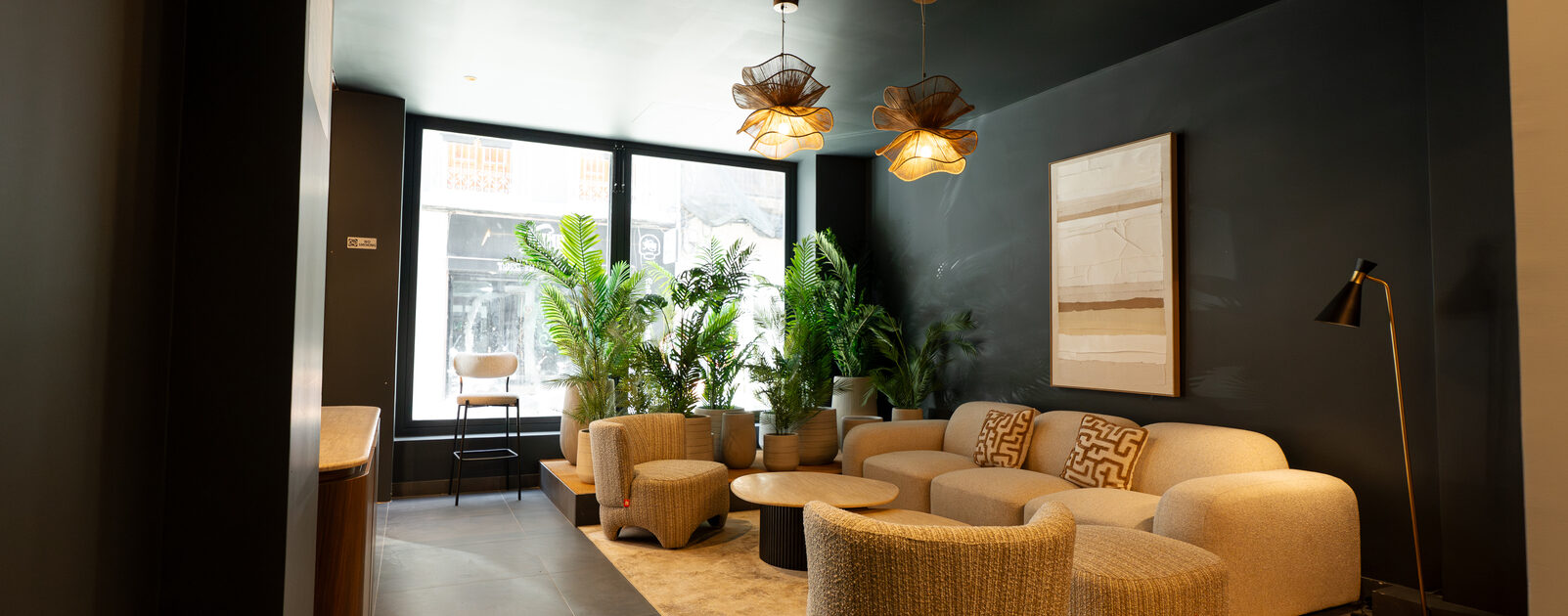
At Monumental by Manlia and Penthouse by Manlia, the historic city is just a few steps away. Spaces designed to rest comfortably after a day of walking, where contemporary design coexists with the urban character of the surroundings. A natural way to integrate into local life without giving up tranquility or the feeling of being well looked after.
If you feel like experiencing Alicante with calm, design, and freedom, you can book directly on our website and start planning your own journey into the past… without giving up the comfort of the present.